English


About Us
"Fall in love with the elegance of our handloom silk sarees. The softness of silk combined with the intricate weaving techniques creates a masterpiece that is sure to make you feel like royalty. Elevate your wardrobe with our exclusive collection!"
About Us


Introduction:
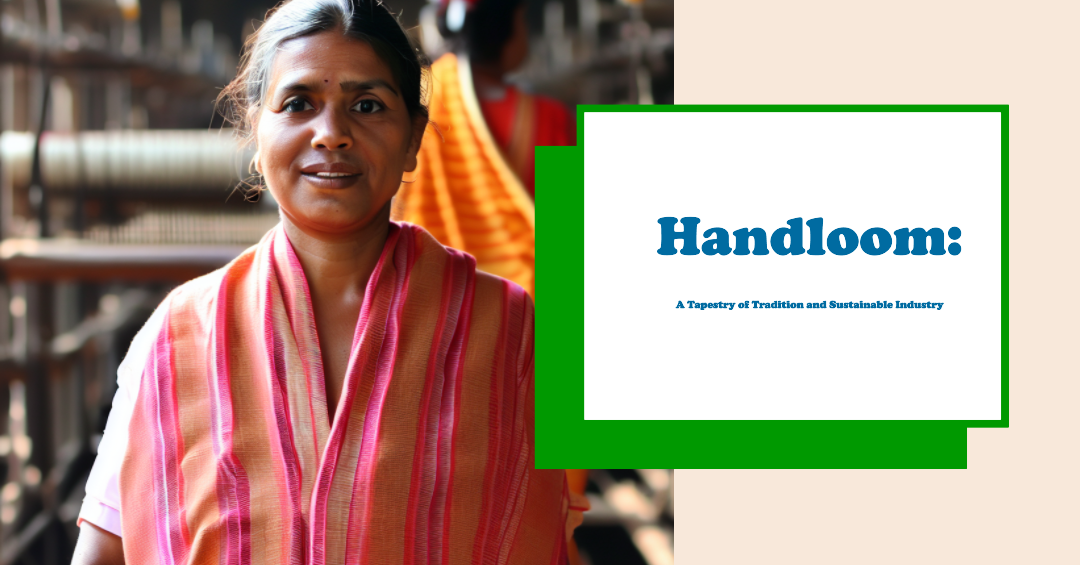
Handloom, a time-honored craft that weaves together threads of tradition, culture, and sustainability, holds a significant place in India's rich heritage. Passed down through generations, this art form not only showcases the skilled craftsmanship of artisans but also serves as a sustainable industry that empowers local communities. In this article, we explore the sustenance model of the handloom industry in India, highlighting its cultural importance, socio-economic impact, and the efforts to preserve this exquisite craft.
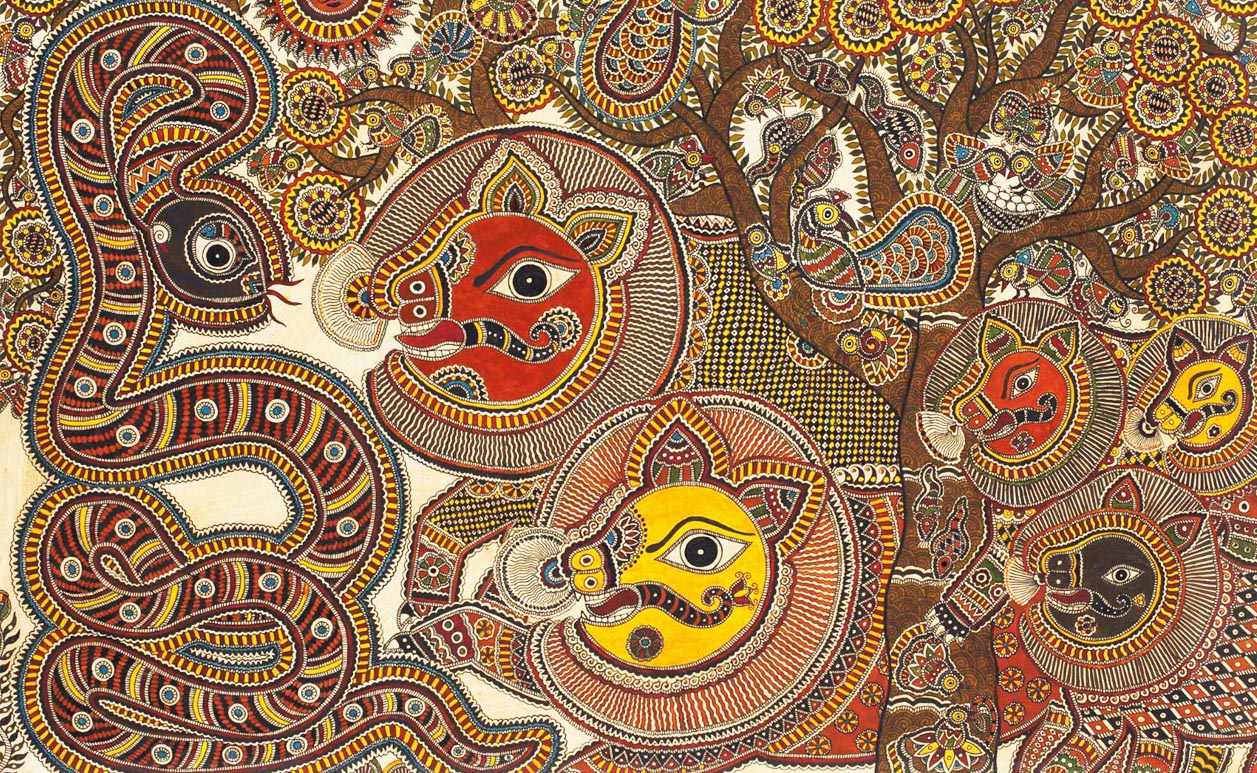
The Beauty of Handloom: Handloom is more than just a technique; it represents an art form that breathes life into fabric. The intricate weaves and patterns crafted by skilled hands create unique pieces of textiles, each narrating a story of its region's cultural identity. The handloom industry offers a diverse range of products, including sarees, scarves, stoles, dupattas, and garments, which are revered for their elegance and artistry.
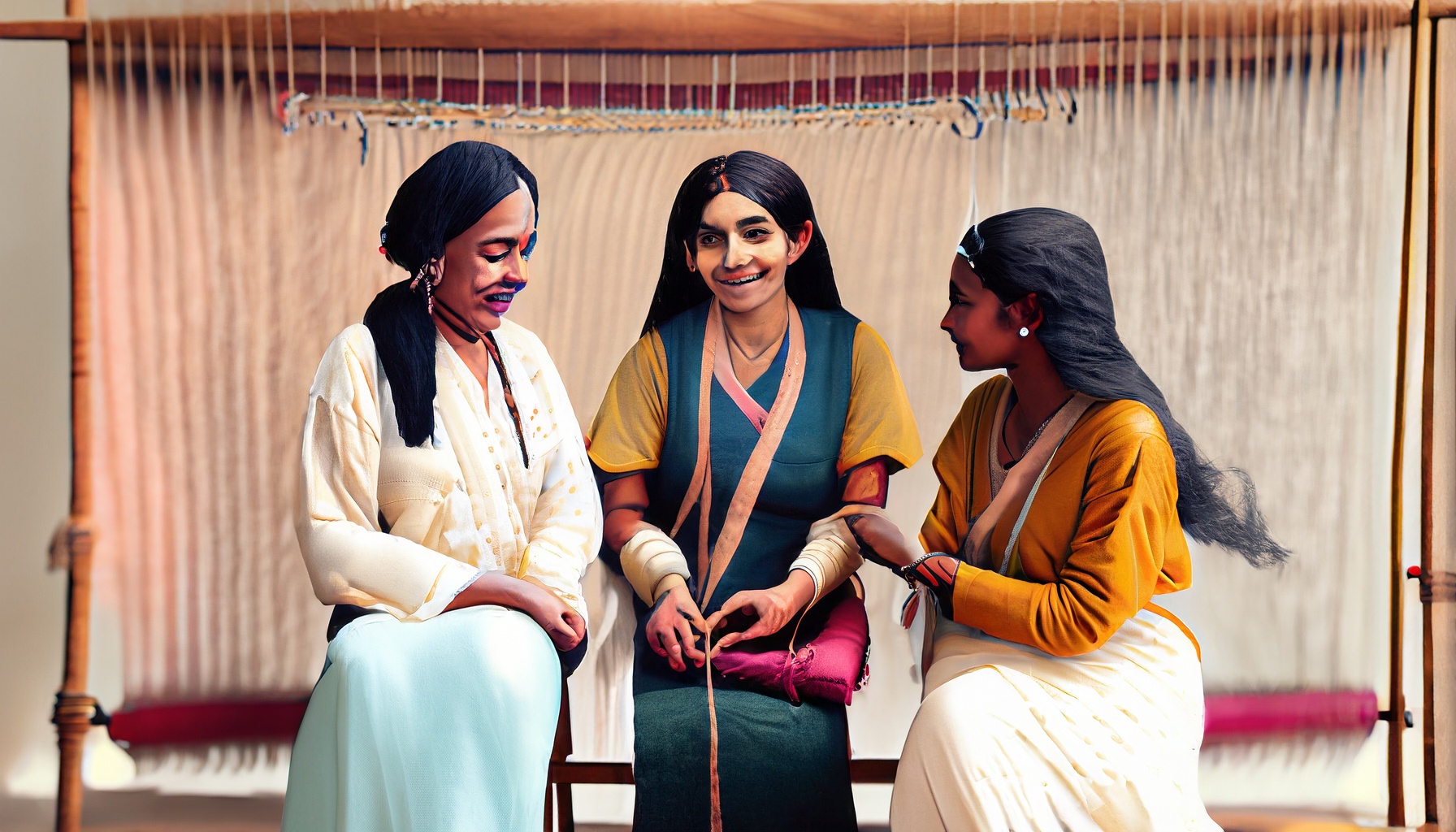
The Socio-Economic Impact: The handloom industry plays a crucial role in the socio-economic fabric of India. It is a significant source of livelihood for millions of weavers and artisans, especially in rural areas. By engaging in handloom weaving, these artisans preserve their cultural heritage while also contributing to the economic growth of their communities. The industry fosters inclusivity, empowering women weavers to become financially independent and gain recognition for their skills.
Sustainability at its Core: One of the most remarkable aspects of the handloom industry is its commitment to sustainability. Handloom weaving follows eco-friendly practices, utilizing natural fibers like cotton, silk, jute, and wool, reducing the industry's carbon footprint. Additionally, traditional methods of dyeing with natural colors further contribute to environmental preservation. By opting for handloom products, consumers actively support sustainable practices and contribute to reducing textile waste.
Government Initiatives and Collaborations: Recognizing the significance of handloom and its role in India's cultural heritage, the government has implemented various initiatives to support the industry. Schemes like the Handloom Weavers Comprehensive Welfare Scheme, National Handloom Development Program, and Handloom Mark aim to provide financial assistance, skill development, and marketing opportunities to weavers and artisans. Collaborations between designers, fashion houses, and handloom weavers have also brought handloom products to a global platform, fostering appreciation for this age-old craft.
The Road Ahead: While the handloom industry faces challenges from power looms and mass-produced textiles, there is a growing awareness and demand for sustainable and ethically-made products. Organizations and NGOs are actively working to preserve and promote handloom, encouraging consumers to choose handloom over mass-produced textiles. By fostering collaborations and creating awareness, the industry can thrive while preserving its authenticity and cultural value.
Conclusion: The handloom industry in India embodies the essence of sustainability, culture, and heritage. It empowers communities, sustains traditional craftsmanship, and showcases the artistry of skilled weavers and artisans. By choosing handloom products, consumers contribute to the preservation of this timeless craft and support sustainable practices. As we embrace the tapestry of tradition woven by handloom, we also ensure that this exquisite art form remains a cherished part of India's heritage for generations to come.