English


About Us
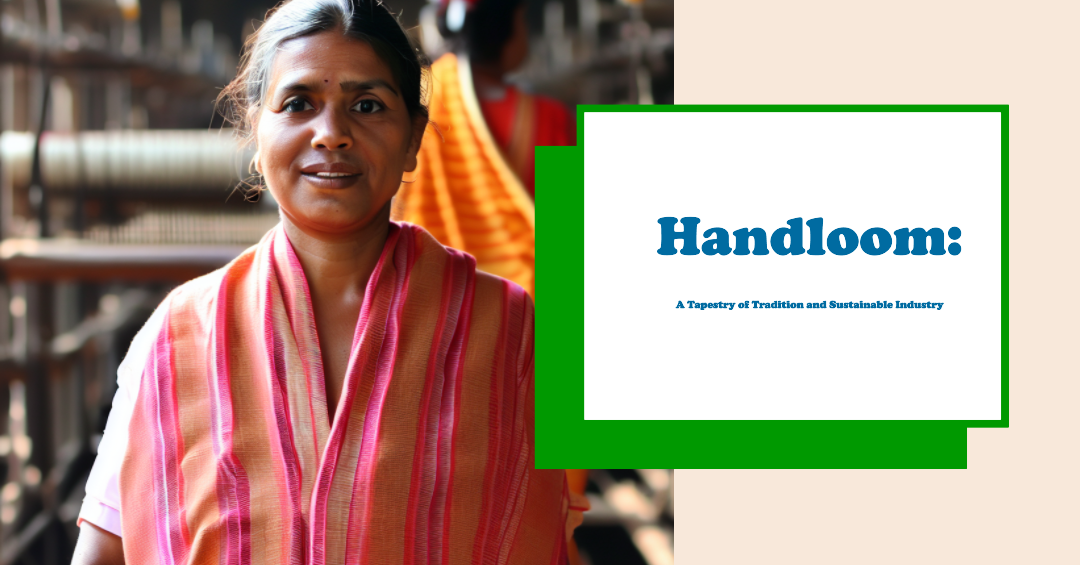
"Fall in love with the elegance of our handloom silk sarees. The softness of silk combined with the intricate weaving techniques creates a masterpiece that is sure to make you feel like royalty. Elevate your wardrobe with our exclusive collection!"
About Us


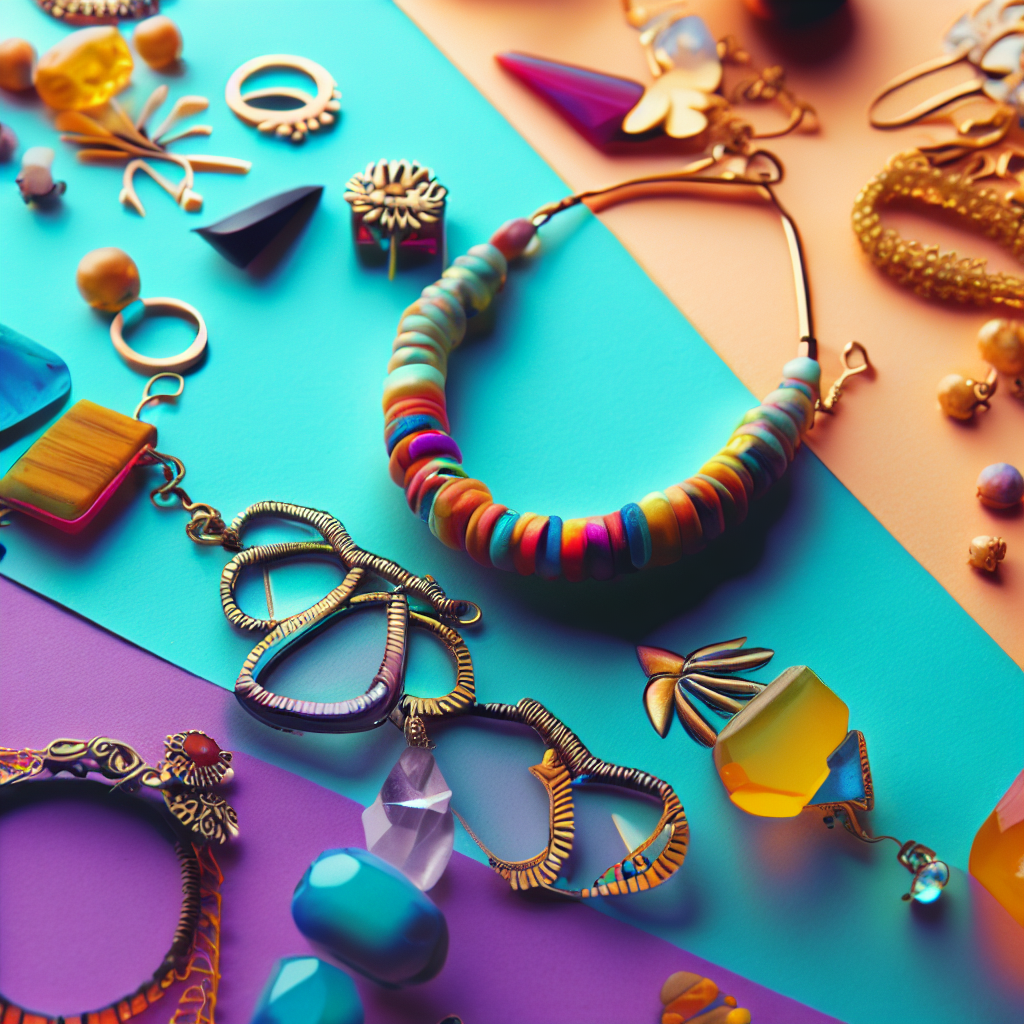
In a world of mass-produced accessories, handmade jewelry has emerged as a breath of fresh air, captivating jewelry enthusiasts with its uniqueness and artisanal charm. Handmade jewelry is not just a trend; it represents a movement towards embracing individuality, sustainability, and the celebration of skilled craftsmanship. In this blog post, we delve into the rising popularity of handmade jewelry trends, exploring the reasons behind their appeal and the impact they have on the jewelry industry.
A Symphony of Creativity: Handmade jewelry is a canvas for artisans to express their creativity and passion. Each piece is meticulously crafted with love and attention to detail, resulting in exquisite jewelry that tells a story. From intricate designs inspired by nature to symbolic motifs representing cultural heritage, handmade jewelry celebrates the fusion of art and wearable beauty.
Unique and One-of-a-Kind: One of the most compelling aspects of handmade jewelry is its uniqueness. Unlike mass-produced accessories, every piece of handmade jewelry is distinct and carries the mark of the artisan's individual style. This exclusivity resonates with consumers seeking to stand out from the crowd and wear jewelry that reflects their personality.
Sustainable Fashion: The growing consciousness towards sustainability has also contributed to the rise of handmade jewelry trends. Handmade pieces are often crafted using ethically sourced materials, reducing the environmental impact associated with large-scale production. Consumers who choose handmade jewelry are actively supporting sustainable fashion and making a statement against fast fashion and its harmful practices.
Empowering Artisans: By opting for handmade jewelry, consumers contribute to the empowerment of skilled artisans and local communities. Handmade jewelry is often crafted by small-scale artisans, and supporting their work helps preserve traditional craftsmanship, providing a livelihood for these talented individuals.
Customization and Personalization: Handmade jewelry allows for customization and personalization, making it a favorite choice for those seeking bespoke pieces. Customers have the opportunity to collaborate with artisans, creating jewelry that perfectly matches their preferences and reflects their unique identity. This level of involvement enhances the emotional connection between the wearer and the jewelry.
Redefining Luxury: Handmade jewelry has challenged the conventional definition of luxury. Instead of focusing solely on expensive materials and brand names, consumers now appreciate the value of artistry and the human touch. The luxury of owning a piece of handmade jewelry lies in its craftsmanship and the story behind each creation.
Conclusion: The rise of handmade jewelry trends is a testament to the changing preferences of jewelry enthusiasts worldwide. Beyond aesthetics, handmade jewelry embodies art, sustainability, and the essence of skilled craftsmanship. By embracing handmade jewelry, consumers not only accessorize with exquisite pieces but also contribute to the preservation of traditional art forms and the empowerment of artisans. As we celebrate the allure of handmade jewelry, we pave the way for a more conscious, creative, and meaningful approach to fashion, leaving a lasting impact on the jewelry industry for years to come.